www.som360.org/es
Blog

The Social Sector Dedicated to Alleviate the Consequences of COVID-19 on Homeless People

Strengthening social policies and networking are deemed as indispensable in addressing social emergency
SOM Salud Mental 360

Drafting

SOM Salud Mental 360
sinhogarismo


More than 40,000 people in Spain live in homelessness. In Europe, more than 700,000 people sleep on the street every day. This is a complex and multifactorial situation often linked to precarious work, personal decisions, addictions, diseases, and even the difficulty of having a home. Homelessness soared in the wake of the 2008 crisis: it has increased by 70% over the past ten years.

At the beginning of a more than likely new economic and social crisis as a result of COVID-19, there is a lot of concern about addressing this situation by all social actors working in this area. 

In our webinars, we have dedicated a session to showcase the current situation of these people, how the lockdown and the COVID-19 pandemic have affected them, and what resources must be activated to alleviate these situations.

colectivos vulnerables

The Invisible: People at Risk of Social Exclusion

Webinar

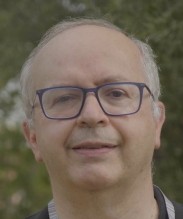
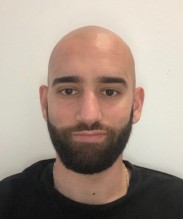
Salvador Maneu, director of Sant Joan de Déu Serveis Socials Barcelona, explains that the expression ‘invisible’ tries to reflect the social invisibility in which people are in a situation of residential exclusion, in the eyes of our society.


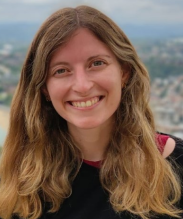
The experts at the online meeting included Salvador Busquets, director of Caritas Diocesana in Barcelona; Sonia Fuertes, social action commissioner of the Ajuntament in Barcelona; and Alba Corral, social worker of the Primer La Llar program. Program based on the methodology of Housing First of Barcelona City Council and managed by Sant Joan de Déu Serveis partners Barcelona.

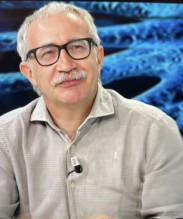
Salvador Busquets has reviewed some of the numbers of people served in Caritas Barcelona during the initial months of the pandemic and stressed that it has uncovered hidden poverty. According to the data provided by the director of the organization, the total number of first-response services offered between April and August 2020 has increased by 8 times, compared to the same period last year. Busquets emphasizes that attention to basic needs such as food and housing aid are those that have exponentially multiplied by 46 and 17, respectively.


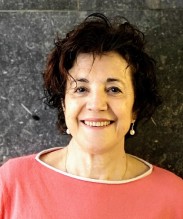
Sonia Fuertes highlighted in her intervention the data of the people served by the Ajuntament of Barcelona during the start of the pandemic and mentioned the most relevant problems presented by the people served:

  • Job precariousness and low-quality occupancy.
  • Insufficient income, which does not allow to cover basic needs or maintain accommodation.
  • Increase in homeless people that has led to an increase in 700 additional places to the already 2,200 places available to the city.

The commissioner has highlighted the importance of leadership and shared governance with third-sector organizations in this time of the pandemic and the importance of continuing to innovate and work together to find solutions to the new challenges presented in the current environment.  

Alba Corral, social worker of Sant Joan de Déu Serveis socials, has contributed to the meeting with the specific situation that the people who attended the Primer La Llar program have experienced and how the lockdown has affected them. Among the most important consequences has been loneliness and isolation, increased anxiety, fear and discomfort, as well as the loss or reduction of the social and family network, which was already fragile prior to the pandemic. Alba Corral emphasized that the role of professionals has been based on offering emotional containment, helping to process the help, provisions of services via telematic, since the administration was closed in person. At this point, it is important to remember the the digital division that people are facing. The loss of personal interactions through daily telephone calls and the carrying out of some timely visits has also been compensated.

Among the conclusions of the meeting, it is emphasized, on part of the director of Caritas, that it is necessary to apply and comply with the measures adopted and the legislation in force, it is necessary and indispensable that the people can collect the 'ERTE'S', The 'RGC' and 'IMV' without delay and deadlines need to be shortened. Busquets wanted to conclude by saying that despite the situation we must believe that there is a future.

In her turn, commissioner Sonia Fuertes has wanted to conclude by referring to the latest data from the Barcelona Public Health Agency, appealing to the need to transform the current socio-economic model that causes inequalities among the population.

Salvador Maneu closed the meeting by saying that we already have a vaccine against the poverty virus and that it is about the will to establish and strengthen public policies and to work together and with one another to turn this very adverse situation around.

You can watch the whole digital meeting here 'The Invisible: People at Risk of Social Exclusion'

Foto de Hombre creado por rawpixel.com - www.freepik.es